
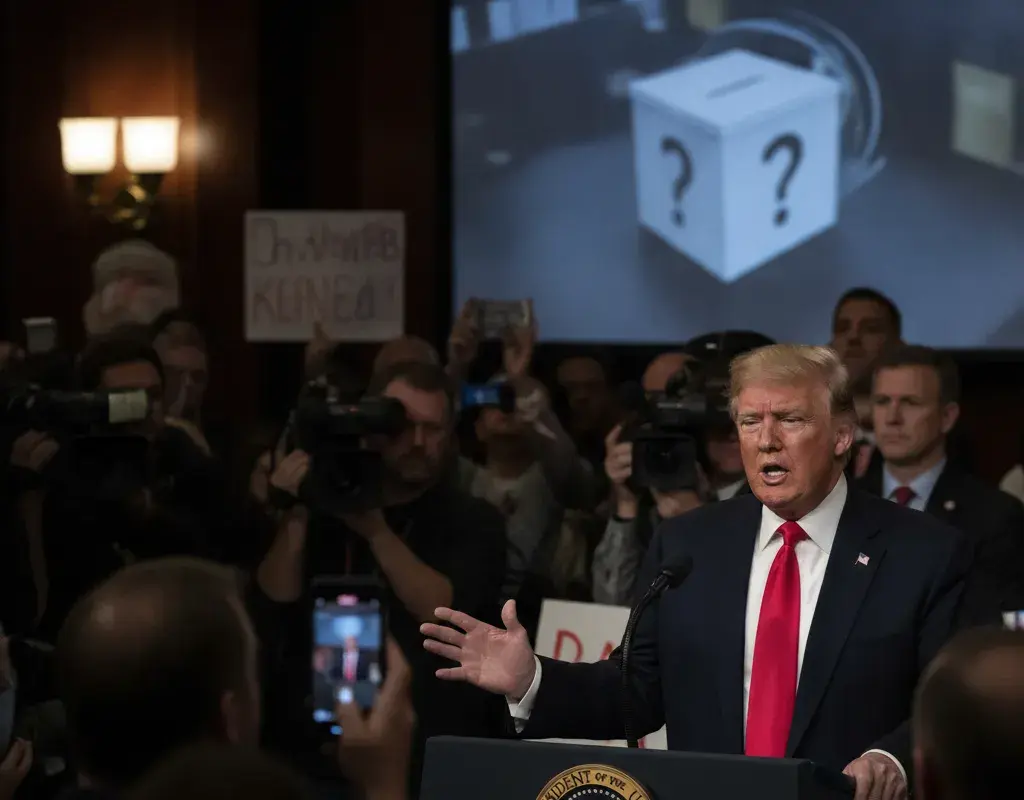
When Donald Trump suggests he will only accept election results if they are honest, it sounds like a reasonable baseline for any citizen. However, given his track record, these words carry a weight that transforms a simple statement into an ominous warning. For years, Trump has followed a specific playbook: sow seeds of doubt about the integrity of the system long before a single ballot is cast, creating a vacuum of trust that he can later exploit to claim victory even in defeat. By positioning himself as the sole arbiter of what constitutes a fair election, he challenges the very foundation of democratic transition.
The current climate is particularly concerning because the institutional guardrails that once tempered his impulses appear thinner today. During the 2020 cycle, figures like former Attorney General Bill Barr acted as internal checks, publicly debunking false claims of widespread fraud. Now, the administration’s approach looks different. Recent attempts by the Justice Department to intervene in state elections, such as those in Alaska and California, suggest a willingness to use federal machinery to challenge outcomes before they are finalized. These maneuvers signal that the fight over legitimacy is moving from social media rhetoric into official government channels.
This pattern evokes memories of the lead up to January 6th, where similarly conditional language served as a catalyst for political violence. At the time, Trump insisted he was on board provided things were fair, yet he ignored every court ruling and audit that confirmed the validity of the vote. His inability to concede stems from more than just politics; it appears tied to a personal brand built entirely on winning. To admit loss is not just a political setback but an existential threat to his public image as an unbeatable figure.
As we look toward future contests, the risk remains high that close races will trigger protracted legal wars rather than peaceful handovers. While election officials across the country have spent months preparing for these contingencies, the psychological toll on the electorate continues to grow. If Republicans face losses in key states or senate seats, there is little evidence to suggest Trump will accept those realities quietly. Instead, many fear we are entering an era where victory depends not on who gets more votes, but on who can loudest sustain a narrative of theft until the system breaks.