
The latest exit polls suggest a seismic shift in the Israeli political arena, as Palestinian parties are projected to secure a significant increase in representation. With seat counts expected to jump from ten to nearly eighteen, these groups have effectively redrawn the electoral map, leaving both the governing coalition and the opposition in a precarious deadlock. Neither Benjamin Netanyahu nor his primary challenger, Gadi Eisenkot, appears to have reached the sixty one seats required for a majority, turning the Arab Israeli electorate into the ultimate kingmakers of the next government.
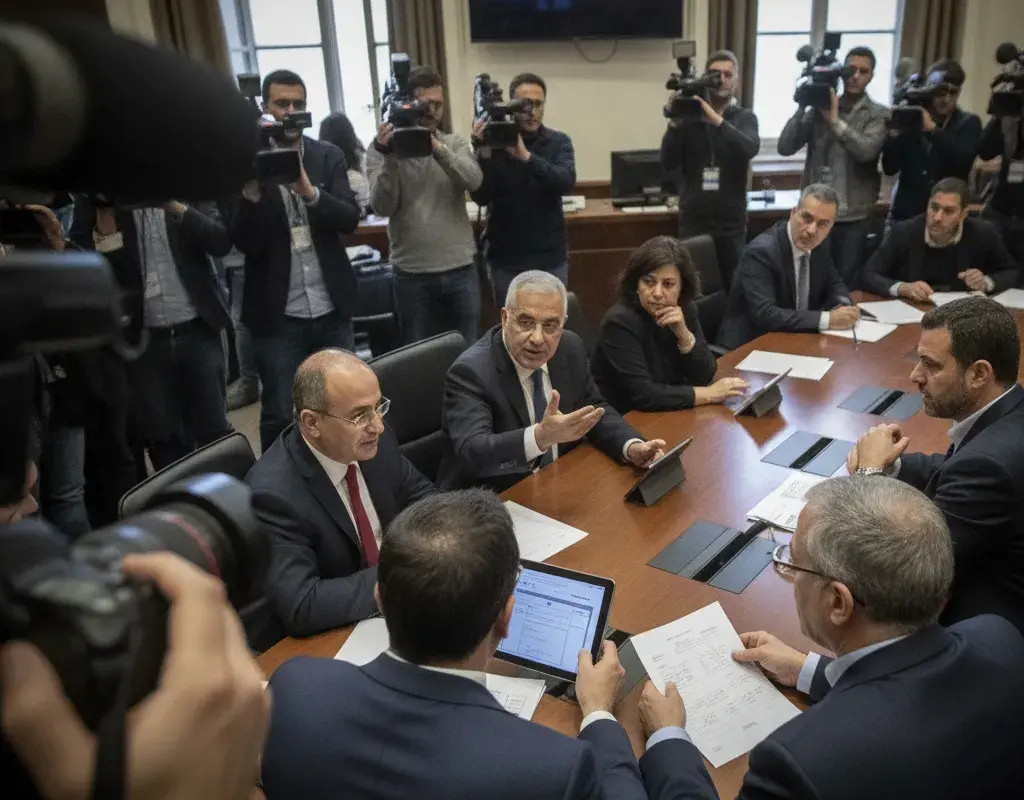
For Gadi Eisenkot and his alliance, the path to power now requires a difficult choice between ideological purity and political pragmatism. To unseat Netanyahu, Eisenkot must navigate negotiations with groups like Ra am and the Joint List. While Mansour Abbas of Ra am has previously demonstrated a willingness to compromise for practical gains, dealing with the larger Joint List presents a steeper climb. Tensions remain high as Eisenkot attempts to set strict preconditions regarding national identity and security, while leaders within the Joint List insist they will enter any discussion only as equal partners.
This stalemate creates a dangerous opening for Benjamin Netanyahu, who is known for his ability to survive seemingly impossible political corners. Should the opposition fail to bridge its divide with Palestinian parties or attempt an unstable minority government, Netanyahu may find himself positioned for another dramatic comeback. By framing the struggle as a binary choice between the nationalist right and Palestinian influence, he can leverage existing social fractures to consolidate his base during a prolonged caretaker period.
Ultimately, this election cycle has pushed Israel toward a fundamental crossroads regarding its democratic structure. As celebrations echoed through Nazareth following the projections, officials noted that the Zionist opposition faces a defining moment. They must decide whether to cling to traditional notions of hegemony or embrace an unprecedented level of cooperation across racial and political divides to build a functioning majority. In doing so, they aren’t just fighting over who leads the cabinet, but deciding how inclusive Israel’s governance will be moving forward.