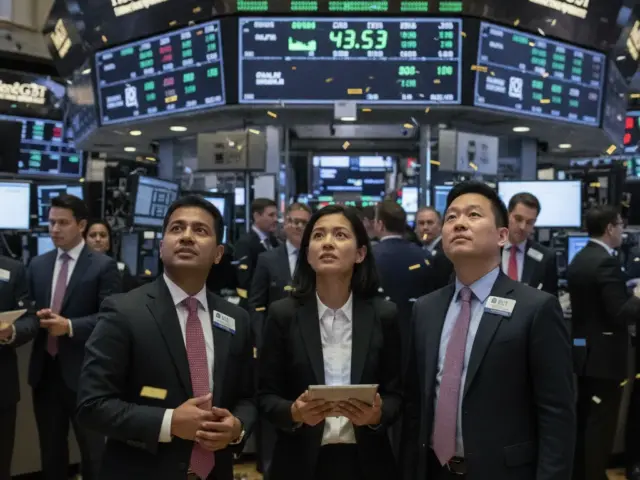


In a financial revelation that has sent shockwaves through the corporate world, AI startup Anthropic is entering the public market with a war chest that dwarfs almost every other business in the United States. According to a recent SEC filing, the six-year-old laboratory is sitting on roughly 131.7 billion dollars in cash and short-term investments. This staggering sum places them above industry titans like Amazon, Meta, and Microsoft, leaving only Alphabet and Berkshire Hathaway with larger reserves among non-banking entities. If current projections for their upcoming initial public offering hold true, the company could potentially push its liquid assets beyond 230 billion dollars.
This unprecedented accumulation of wealth highlights an aggressive era of private financing, where investors have poured billions into the race for artificial general intelligence. While having more cash than Apple and Nvidia combined sounds like ultimate security, the filings reveal a precarious balance sheet beneath the surface. The massive pile of money isn’t just for growth; it is a necessary buffer against astronomical overhead costs. In just the first half of the year, the company spent nearly 9 billion dollars on compute and infrastructure alone.
The real story lies in what Anthropic owes rather than what it owns. Because the company purchases computing power years in advance, its immediate expenses don’t reflect its true liabilities. Disclosures show that Anthropic is facing over half a trillion dollars in future lease obligations and guaranteed commitments to secure the hardware needed to train its models. With additional new agreements totaling another 245 billion dollars signed recently, the firm is locked into a high-stakes spending cycle that requires constant infusions of capital just to keep the lights on.
As shareholders prepare for an IPO that could see existing investors sell off significant portions of their holdings, analysts are weighing whether this level of liquidity is sustainable. For now, Anthropic represents a unique experiment in corporate finance where traditional profit margins take a backseat to raw computational power. The company has proven it can raise money at a record pace, but it remains caught in an arms race where the cost of admission is measured in hundreds of billions of dollars.